
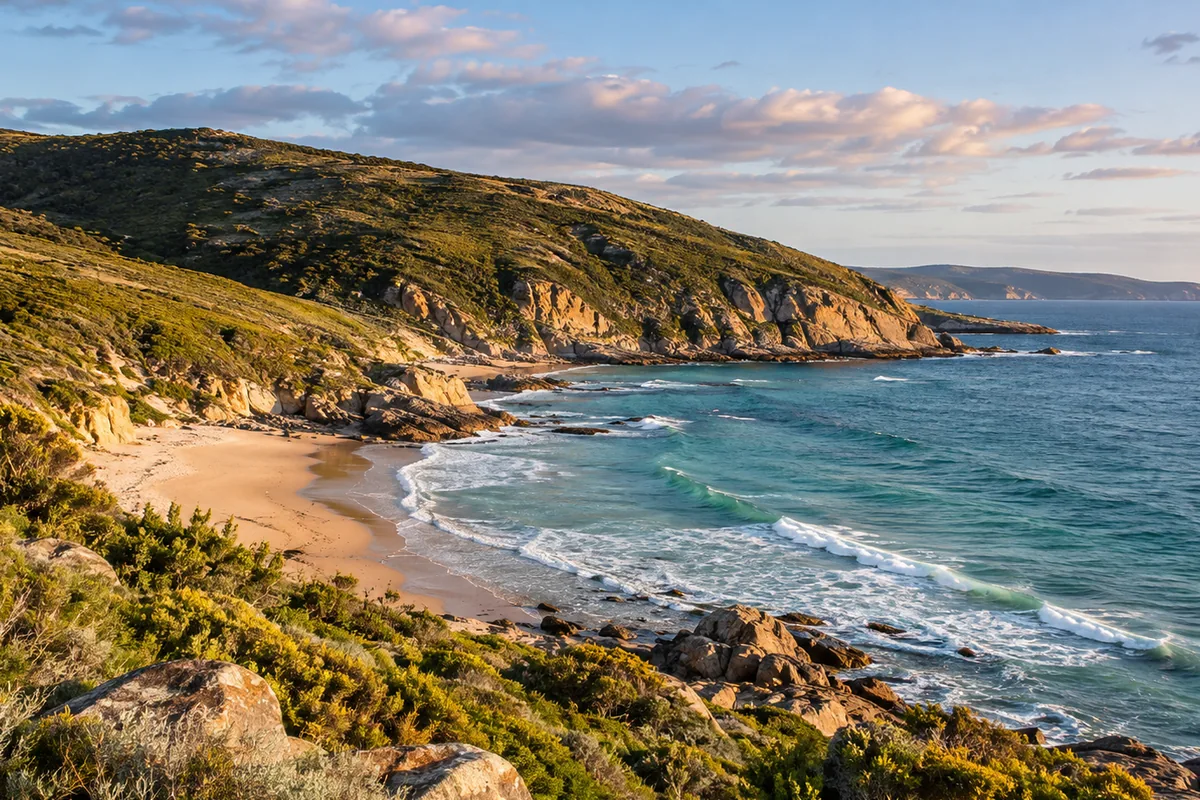
The Great Ocean Road earns its reputation with spectacular coastal views, but the road is far more enjoyable when the driving is not treated as an endurance event. A thoughtful three-day plan includes time for the Surf Coast, a middle stretch around Apollo Bay and the dramatic limestone coastline near Port Campbell. Actual road and stop access can change, so keep the schedule flexible.
Day one: ease into the Surf Coast
If you're starting in Melbourne, make your way toward Torquay and the coast without trying to reach every landmark at once. Stop at a safe, designated lookout when something catches your eye and build in a proper lunch break. Coastal roads are winding and popular in holiday periods; driving times on a map rarely reflect scenic stops and congestion. Consider an overnight base around Lorne or another suitable town to keep the first day comfortable.
Day two: trade cliffs for forest
The landscape changes around the Great Otway region, where forest and coastal scenery sit near each other. Choose a signposted, suitable walk or viewpoint after checking park access and weather. Aim to stay around Apollo Bay or farther west depending on your booking and route. Resist adding far-flung detours unless you have allowed time. A great roadside moment is only worthwhile when you can stop legally and safely.
Day three: spend time at the limestone coast
The Twelve Apostles precinct and neighbouring lookouts are extraordinary, but they're also exposed places with cliffs, changing weather and visitor crowds. Stay behind barriers, follow signed access points and never step beyond safety fences for a photograph. Leave time to visit one or two nearby coastal viewpoints instead of racing between them. Start your return journey when you still feel alert enough to drive safely.
Why a single-day dash often disappoints
Long driving legs and constant stops can make the region feel like a sequence of car parks. Three days gives you more room for weather, meals and the quieter towns along the route. If you have less time, choose one section rather than pretending the whole coastline is a quick detour. Consider staying overnight rather than starting before dawn and arriving home exhausted.
The planning details that matter
Check official touring information, roadworks, any park alerts, petrol availability and the location of your accommodation before leaving. Mobile signal may vary in regional stretches, so save your route offline. Watch for wildlife, particularly in lower light. Weather can turn quickly near the Southern Ocean: bring a windproof layer even when inland temperatures are pleasant.
Official information & useful sources
- Visit Victoria — Great Ocean Road touring route ↗
- Transport Victoria — travel information ↗
- Bureau of Meteorology — forecasts and warnings ↗
Links are for planning and verification, not endorsements of any paid service. Confirm current conditions, tickets and opening times directly.
TripNest offers general editorial travel planning, not live booking services. Itineraries are examples, not guaranteed routes or availability.